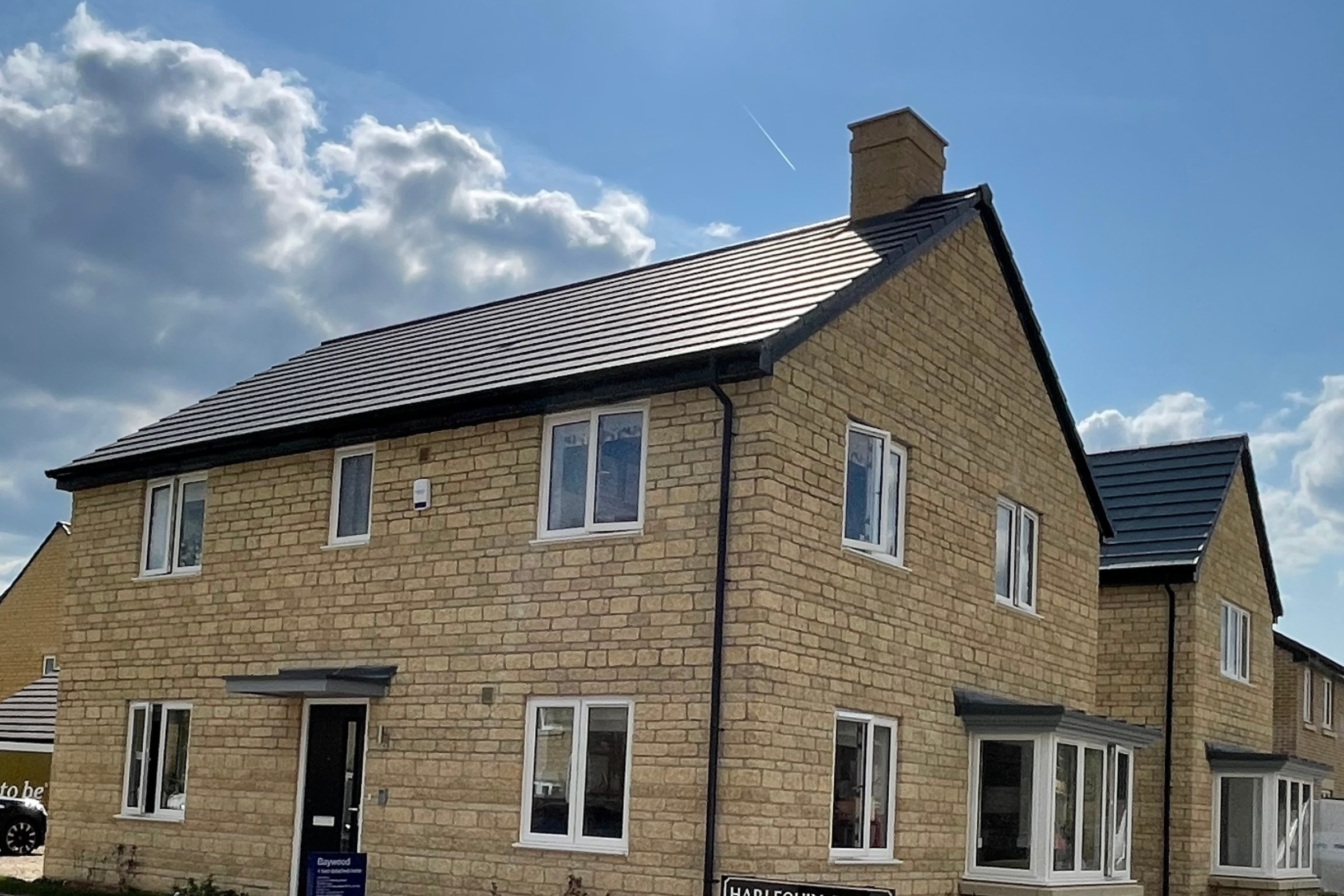
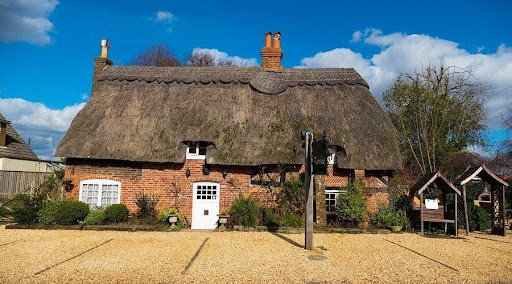
Below are examples of house surveys in the UK
Buying a property is one of the biggest financial commitments most people will ever make. Yet many house buyers still confuse a mortgage valuation with a professional property survey. This is a misunderstanding that can lead to expensive surprises after completion as in many cases, a professional surveyor will not attend the property as part of the mortgage valuation with more and more valuations being completed using data, either as a desk top valuation or as a AVM (Automated Valuation Model).
A lender’s valuation is designed purely to protect the bank’s interest. It is not a detailed inspection of the building’s condition. A professional RICS survey, however, provides independent insight into structural issues, damp, roof defects, movement, timber decay, insulation performance, and long-term maintenance risks.
Understanding the different types of house surveys available in the UK can help buyers choose the right level of inspection and negotiate confidently before exchange.
Understanding the Difference Between a Valuation and a Survey
One of the most common misconceptions among home buyers is assuming the mortgage valuation protects them personally. In reality, the lender only wants confirmation that the property offers suitable security for the loan.
A RICS survey works very differently. It is designed to identify defects, hidden risks, and potential future costs before you commit to the purchase, protecting the purchaser.
For example:
- A valuation may take around minutes on site
- A survey involves a detailed inspection on site, taking hours
- A valuation may not even identify serious structural concerns
- A survey highlights issues affecting safety and any serious defects
This distinction is why professional surveying advice is considered essential when purchasing properties, whether that be modern, older, modified, non-standard construction, flats, or apartments.
Comparing RICS Survey Types
The Royal Institution of Chartered Surveyors (RICS) provides three primary survey levels in the UK. At Home Surveying we only offer Level 2 and Level 3 surveys, however there is a RICS Level 1 Survey.
RICS Level 1 Survey
Suitable for:
- Modern homes
- New-build properties
- Properties in apparently good condition
This is the most basic inspection and provides a simple overview of condition without detailed advice.
RICS Level 2 Survey (Formally known as a Homebuyers survey)
Suitable for:
- Conventional homes
- Properties built after 1900
- Standard built houses and flats/apartments
- Not heavily extended or altered
The Level 2 survey (previously known as the Homebuyer Report) identifies visible defects and provides condition ratings using the RICS traffic light system.
RICS Level 3 Survey (Commonly known as a Building Survey)
Suitable for:
- Victorian and Edwardian properties
- Listed buildings
- Properties with extensions or alterations
- Renovation projects
- Non-standard construction
This is the most comprehensive inspection available and includes detailed analysis of structural movement, dampness, roofing, timber defects, and concealed risks where accessible.
What does a RICS Level 2 Home Survey include?
A Level 2 Survey provides a non-invasive inspection of the property. The surveyor assesses visible and readily accessible areas without removing finishes or opening up the structure.
Typical checks include:
- Roof condition from ground level
- Damp staining and moisture indicators
- Windows and glazing defects
- Heating and electrical observations
- Loft access (where safe)
- Drainage observations
- Structural cracking
- Insulation and ventilation
Example Findings in a Typical 1970s Home:
Many post-war properties reveal recurring maintenance concerns, such as:
- Failed double glazing units
- Minor condensation issues
- Aging roof coverings
- Outdated electrics
- Limited loft insulation
- Localised damp
The report assigns each issue a condition rating:
Rating | Meaning |
|---|---|
Green (1) | No significant repair currently required |
Amber (2) | Defects requiring future attention |
Red (3) | Urgent defects requiring immediate action |
This system helps buyers prioritise repairs and assess future expenditure before proceeding.
What does a Level 3 Building Survey cover?
A Level 3 Building Survey provides significantly more detail and analysis than a Level 2 report.
Older properties often conceal defects beneath cosmetic finishes. A Level 3 survey investigates the building’s overall structural integrity and long-term maintenance risks.
Typical inspection areas include:
- Roof structure and timber condition
- Signs of historic or active movement
- Chimney stack stability
- Damp penetration and moisture tracking
- Sub-floor ventilation
- Timber decay and woodworm
- Alterations and structural modifications
- Defects in lofts and accessible voids
Common defects found in period properties:
Victorian and Edwardian homes frequently exhibit:
- Roof spread
- Bowing walls
- Failed lintels
- High damp with various causes
- Defective pointing
- Chimney deterioration
- Settlement cracking
- Inadequate insulation
A professional surveyor distinguishes between normal historic movement and serious structural instability such as subsidence.
This distinction can prevent buyers from inheriting substantial repair liabilities.
Understanding the RICS Traffic Light System
Every modern RICS survey uses a standard condition rating format.
Condition Rating 1 (Green)
No major repair currently required.
Examples:
- Modern windows in good condition
- Sound roof coverings
Condition Rating 2 (Amber)
Defects requiring maintenance or repair, but not immediately serious.
Examples:
- Aging guttering
- Weathered pointing
- Minor issues to the roof covering
Condition Rating 3 (Red)
Urgent issues requiring immediate investigation or repair.
Examples:
- Structural movement
- Active roof leaks
- Significant dampness
- Unsafe electrics
- Failing retaining walls
- Blocked drains
A red rating does not always mean buyers should withdraw from the purchase. Instead, it provides leverage for renegotiation and informed decision-making.
Using Survey Findings to Renegotiate Property Prices
Professional surveys often become valuable negotiation tools.
If a survey identifies serious repairs that were not identified during the buyers visits to the property, the buyer may wish to:
- Request a reduction in the purchase price
- Ask the seller to complete repairs before exchange
- Negotiate a retention through solicitors
- Withdraw if risks are unacceptable
A structured approach helps buyers remain objective during negotiations.
Recommended Post-Survey Process
- Obtain specialist quotations
- Review urgent versus non-urgent repairs
- Calculate realistic future maintenance costs
- Discuss findings with your surveyor
- Renegotiate using documented evidence
A professionally prepared RICS report provides credibility during these discussions.
Why Professional Surveys Save Buyers Money
Many serious defects remain invisible during viewings.
Issues such as hidden damp, structural movement, roof failure, timber decay, or defective alterations may only become apparent after completion — when repair costs become the buyer’s responsibility.
A professional survey helps buyers:
- Understand the true condition of the property
- Budget accurately for future repairs
- Avoid overpaying
- Reduce risk
- Negotiate confidently
For older, altered, or unusual properties, a Level 3 Survey often represents one of the most important investments made during the purchasing process.
Final Thoughts
Understanding the differences between survey types allows buyers to make informed decisions and protect themselves financially.
Whether purchasing a modern family home or a Victorian renovation project, the right RICS survey provides clarity, reassurance, and leverage before exchange of contracts.
Professional surveying advice transforms uncertainty into actionable information, helping buyers proceed with confidence rather than costly surprises.
Contact Home Surveying today to learn more about how our RICS-qualified surveyors can help you make an informed and financially wise property